If your business is still small, you may opt for cash-basis accounting. If you carry inventory or have accounts payable and accounts receivable, you’ll likely use accrual accounting. bookkeeping services near me The first step you’ll need is a business bank account, which allows you to keep your personal and business expenses separate. They also allow businesses to safely store their money and make transactions easily.
Generate accurate financial reports

When bookkeeping is handled properly, the information is accurate, well organized and helpful. This way, business owners or shareholders can make key financial decisions involving the company. All the financial transactions such as sales earned revenue, payment of taxes, earned interest, payroll and other operational expenses, loans investments etc. Foreign Currency Translation are recorded in books of accounts.
- While bookkeeping provides oversight into each individual transaction (in order to catch discrepancies and correct mistakes), accounting provides a thorough analysis of these numbers.
- The systematic reduction of a loan’s principal balance through equal payment amounts which cover interest and principal repayment.
- When the allowance account is used, the company is anticipating that some accounts will be uncollectible in advance of knowing the specific account.
- The company’s transactions were written in the journals in date order.
- At the end of each pay period, you’ll calculate the gross pay for each employee (using their payroll information) and then apply any taxes and withholdings.
Join over 3,400 global companies that choose Coursera for Business
- Individuals who are members of the community answer the queries posted by QuickBooks account holders around the world, such queries are answered from their own experience using QuickBooks.
- Find out what bookkeepers do, and get an intro to double-entry bookkeeping.
- Depending on the organization’s size, keeping track of business expenses and reconciling business statements may be your responsibility.
- A bookkeeper organizes your business’s finances and records every transaction accurately and consistently.
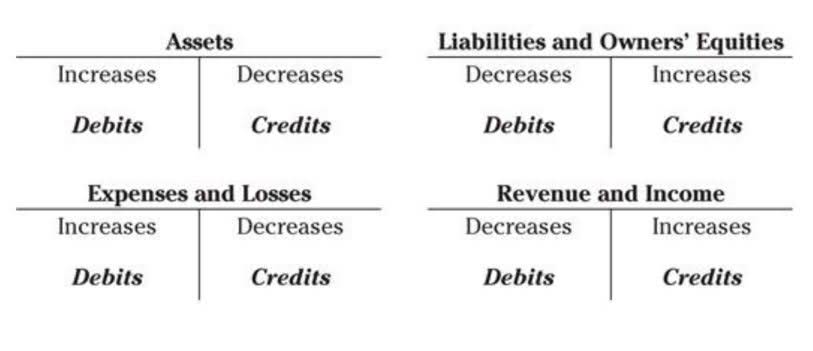
If you choose to use double-entry bookkeeping—and we strongly suggest you do! We’ll show you examples of how to record a transaction as both a credit and debit later on. Whether you are an independent contractor or a multinational corporation, bookkeeping is important to you. These bookkeeping tips and best practices will help your business improve its financial recordkeeping.

How do I start a career in bookkeeping?
You’ve used your entrepreneurial prowess to produce a product or service that your customers need. And avoiding spending any money when you think you can bookkeeping just take care of a task yourself is tempting. If you’ve accurately kept track of and reported your employees’ salaries and wages, you can claim them with the Employee Retention Credit. With this credit, you can get up to $26,000 back per employee during COVID-19. After all, if you don’t know how much you’re making or where that money is going, you’ll have a hard time finding ways to expand your profitability.
- For example, a retail store’s receipts of March 31 are deposited after banking hours on March 31 or on the morning of April 1.
- Accrual accounting is preferred as it gives a more complete snapshot of the company’s financial performance and more accurately matches expenses with revenue.
- This will allow for all of the income statement accounts to begin each accounting year with zero balances.
- However, learning the profession in a more formal educational environment can help if you don’t learn well independently.
- A corporation’s own stock that has been repurchased from stockholders.

Later, the amounts in the journals would be posted to the designated accounts located in the general ledger. Examples of accounts include Sales, Rent Expense, Wages Expense, Cash, Loans Payable, etc. Each account’s balance had to be calculated and the account balances were used in the company’s financial statements.
Single-entry bookkeeping

Maintaining bookkeeping tasks is essential for the stability and success of small businesses. With so many moving pieces (including assets and liabilities, and income and expenses), small business owners must stay on top of it all. Reconciling your accounts means comparing your books to your bank statements to catch discrepancies. If you skip this step, small errors can add up and lead to inaccurate financials. Staying on top of your financial records helps you avoid costly problems down the road. Here are some common mistakes small business owners make—and how to prevent them.